4th of July Bunting Embroidery Design Review
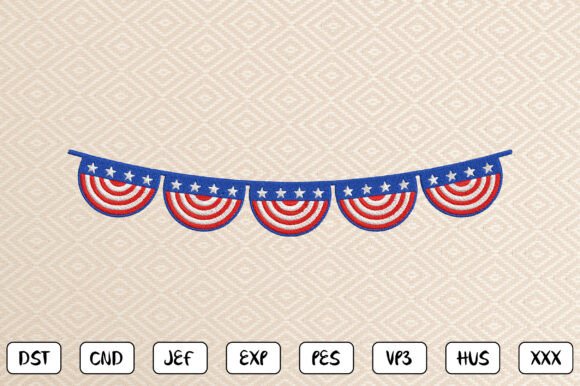
As an experienced embroidery designer preparing for the upcoming Independence Day weekend, I am constantly evaluating new digital assets to see which ones will actually move on a crowded craft fair table. Today, I am putting the 4th of July Bunting Embroidery Design under the microscope. This isn't just about whether the file opens correctly; it is about whether this design translates into a profitable handmade product that stops a shopper in their tracks. With the description promising bold red, white, and blue stripes and a festive American touch, expectations are high. Let's break down how this machine embroidery design performs in the real world of small shop production.
First Impressions: Bold and Festive Appeal
When I first load the embroidery file into my software, the visual impact is immediate. The design leans heavily into a classic, patriotic aesthetic rather than a modern or minimal trend. It feels celebratory and loud in a good way. For a craft fair booth, where you have seconds to catch a customer's eye, this boldness is a significant advantage. The concept of bunting flags creates a sense of movement and festivity that static stars or eagles sometimes lack. It screams "celebration" without needing text to explain it. However, the success of this Independence Day theme relies entirely on execution. If the thread colors are muddy or the stitch density is off, the "bold" stripes can look messy. My initial assessment is that this design works best when executed with high-contrast, premium threads to ensure those reds pop against the whites and blues.
Product Placement: Where Does It Shine?
Not every design belongs on every item. When planning my inventory for the weekend market, I need to know where the 4th of July Bunting Embroidery Design delivers the highest value. Here is my breakdown of the best applications:
- Tote Bags and Market Bags: This is the strongest contender. A large-scale application on a canvas tote bag allows the bunting to stretch across the front, creating a statement piece. The sturdy fabric handles the weight of the design well, making it a perfect craft fair product.
- Kitchen Towels and Aprons: For the home cook looking to update their kitchen for the holiday, this design fits perfectly. On a tea towel, place the bunting near the hem as a decorative border. On an apron, centering it on the chest pocket area works beautifully. These items are practical gifts that customers love buying at handmade markets.
- Embroidered Patches: Creating patches from this design is a smart strategy for lower-cost impulse buys. Customers can buy a patch to iron onto existing hats or jackets. Just ensure the backing is sturdy enough to support the flag shapes.
- Pillow Covers: A farmhouse-style pillow cover featuring this bunting design adds a cozy, rustic touch to summer decor. The flat surface of a pillow allows for crisp stitching, making it ideal for showcasing the detail of the stripes.
Conversely, I would be cautious using this design on curved surfaces like baseball caps unless the file is specifically engineered for cap hoops. The straight lines of the bunting flags might distort on a rounded brim, ruining the clean look we want to achieve.
Production Reality: Density and Fabric Texture
The description mentions "bold stripes," which implies areas of solid color fill. In commercial embroidery, solid fills can be tricky. If the stitch density is too low, you will see gaps in the fabric showing through the red or blue thread. If it is too high, the fabric may pucker, especially on lighter materials like linen or cotton blends used for tea towels. Before committing to a full batch, I always run a test on scrap fabric identical to my final product material.
Fabric texture plays a huge role here. On a smooth cotton poplin, the bunting will look sharp. On a highly textured terry cloth towel, the tiny details of the flag strings might get lost in the loops of the fabric. You must check the thread contrast carefully. White thread on a light gray towel will vanish, while bright red on dark navy looks stunning. As an Etsy seller, your photos are your sales pitch. If the texture interferes with the clarity of the design, the printable mockup will not match the finished product, leading to unhappy customers.
Practical Designer Notes for Success
To ensure this design becomes a top-seller, follow these critical steps during production:
- Test Hoop Size: Verify the dimensions of the design against your hoop size. If the bunting spans 6 inches but your hoop is 5 inches, you will have to hoop multiple times, risking misalignment. Always confirm the required hoop size before purchasing the digital embroidery file.
- Stabilizer Selection: Because this design likely has dense areas, do not skip the stabilizer. Use a tear-away or cut-away stabilizer appropriate for your fabric weight to prevent puckering and ensure the stitches lay flat.
- Check Thread Colors: Standard red and blue threads vary wildly between brands. Match your physical thread spools to the screen preview to avoid a dull or mismatched look.
- Review Spacing: Ensure there is enough space around the design so it doesn't feel cramped on smaller items like pouches. Sometimes, scaling down a design makes the details disappear.
- Licensing Check: Before selling any small shop product, confirm the commercial licensing terms. Can you sell finished goods? Can you sell the file itself? Never assume; read the license agreement attached to the download.
Visual Impact and Buyer Engagement
At a busy booth, visual appeal dictates sales velocity. The 4th of July Bunting Embroidery Design offers a clear, recognizable motif that triggers an emotional response associated with summer and patriotism. When displayed on a rack of embroidered items, the repetition of the red, white, and blue color scheme creates a cohesive brand look. This consistency builds trust with buyers who perceive your booth as professional and curated.
Furthermore, the design photographs exceptionally well for online listings. The linear nature of the bunting guides the eye across the image, making it easy to create compelling design assets for social media. A photo of a tote bag with this design hanging on a porch swing or a close-up of the stitching on an apron tells a story of quality and craftsmanship. This narrative increases the perceived value of the item, allowing you to price your handmade product higher than generic mass-market alternatives.
Final Verdict for Craft Fair Sellers
In conclusion, the 4th of July Bunting Embroidery Design is a strong candidate for your seasonal inventory, provided you respect its technical requirements. It is not a design for beginners working on thick, uneven fabrics without proper stabilization, but for a seasoned maker, it offers excellent versatility. From tote bag designs to apron embroidery, it hits the sweet spot between festive fun and classic Americana. By testing your stitch settings, choosing the right fabrics, and presenting the items with care, this design can become a signature item that drives traffic to your booth and boosts your sales this Independence Day. Remember, the difference between a good sale and a great one often lies in the quality of the finish, so take the time to make every stitch count.