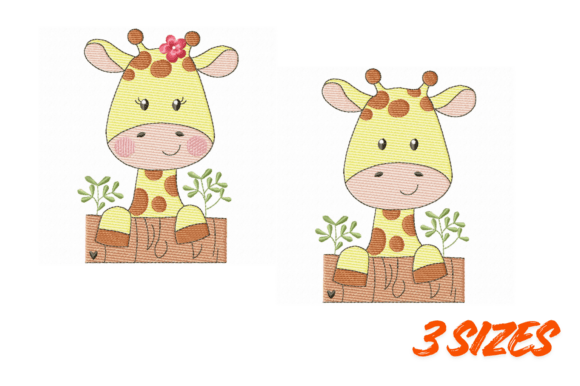
Cute Safari Giraffe Embroidery Design Review
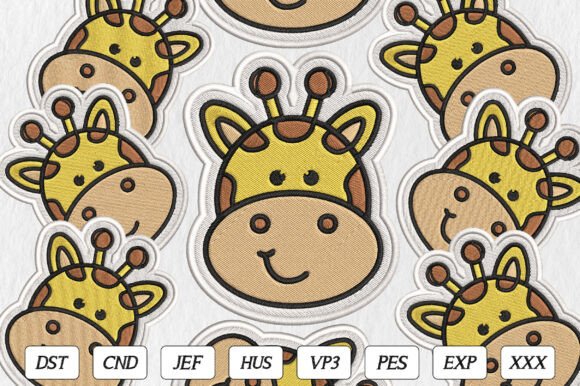
As a professional embroidery designer who has spent years translating digital files into tangible brand assets, I approach every new design with a critical eye. When reviewing the Cute Safari Giraffe Embroidery, my focus shifts immediately from aesthetic appreciation to commercial viability. For small business owners, apparel decorators, and Etsy sellers, a design is not just an image; it is a tool for communication, branding, and revenue generation. This specific file falls under the Baby Animals category, promising a sweet kawaii giraffe face rendered in soft pastel tones. But does this whimsical concept hold up when applied to staff uniforms, branded patches, or high-end tote bags? Let's dive into a practical review of how this machine embroidery design performs in the real world.
First Impressions: Professionalism Meets Playfulness
The first thing that strikes me about the Cute Safari Giraffe Embroidery is its inherent friendliness. The description highlights "adorable safari vibes" and "clean" lines, which suggests a design that is accessible yet refined. In the world of brand identity, soft pastel tones are powerful tools. They signal approachability, gentleness, and care—qualities essential for businesses like boutique bakeries, children's clothing brands, florists, or pet care services.
However, the challenge with any "cute" design is avoiding the trap of looking amateurish. A well-executed digital embroidery file balances detail with stitch efficiency. The mention of "clean" lines in the product description is encouraging. If the outlines are crisp and the fill areas are smooth, this design can elevate a simple cotton apron into a premium piece of custom apparel. It moves beyond mere decoration to become a cohesive part of a visual brand strategy. For a handmade shop, this level of polish is non-negotiable if you want customers to perceive your merchandise as high-value.
Real-World Applications for Small Business Merch
When considering where to deploy the Cute Safari Giraffe Embroidery, the possibilities for small business merch are vast. Here is how I envision this design performing across various products:
- Embroidered Patches: This is arguably the strongest use case. Creating a detachable patch allows for versatility. You can sew it onto denim jackets, backpacks, or canvas tote bags. The "kawaii" style works exceptionally well on patches because the defined edges of a patch border contain the pastel colors, preventing them from bleeding visually on darker fabrics.
- Apron Embroidery: For a café or bakery, placing this design on the chest pocket or bib of a staff apron creates an instant connection with customers. It adds a personal, welcoming touch that printed logos often lack. The texture of the embroidery adds a tactile element that enhances the handmade product feel.
- Cap Embroidery: A cap front offers a smaller canvas. The giraffe face, being a focal point, should translate well here provided the stitch density is managed correctly. It serves as a subtle branding mark for employees or a collectible item for loyal customers.
- Tote Bag Design: Canvas tote bags are perfect for showcasing larger designs. The sturdy fabric supports the weight of the thread, and the neutral background of a beige or white bag allows the soft pastel tones of the giraffe to pop without clashing.
- Product Labels and Packaging: Instead of printing a logo on a hangtag, embroidering the Cute Safari Giraffe Embroidery directly onto the tag elevates the unboxing experience. It signals quality and attention to detail, increasing customer trust and perceived value.
Strategic Considerations and Potential Pitfalls
While the design potential is high, there are specific scenarios where caution is required. As a designer, I always advise clients to test before they produce in bulk. Here are the areas where the Cute Safari Giraffe Embroidery requires careful handling:
- Small Patch Sizes: If you attempt to scale this design down too significantly for a tiny buttonhole patch, the "soft pastel tones" may blend together, losing definition. The clean lines mentioned in the description must remain distinct at smaller scales.
- Dark Uniforms: Pastel threads on dark fabrics require a solid backing layer (underlay) to prevent the fabric color from showing through. Without proper stabilization and underlay planning, the giraffe could look muddy rather than vibrant.
- Fabric Texture: Highly textured fabrics like thick wool or heavy corduroy can distort the fine details of a kawaii face. The stitches might sink into the weave, making the design appear less sharp. Smooth cottons, linens, and twills are safer bets for maintaining the design's integrity.
- High Stitch Density: If the machine embroidery design packs too many stitches into a small area, it can stiffen the fabric. For items like caps or collars, stiffness is undesirable. Always check the stitch count relative to the hoop size to ensure flexibility remains.
Impact on Brand Identity and Customer Trust
Incorporating the Cute Safari Giraffe Embroidery into your design assets does more than add a picture; it shapes how your brand is perceived. Consistency is key. If your brand voice is warm and inviting, this design reinforces that message. Conversely, if your brand is strictly corporate or industrial, this playful animal might create a dissonance that confuses customers.
For commercial embroidery projects, the tactile nature of the finished product builds trust. Customers can feel the quality of the work. A poorly executed design with loose threads or uneven fills damages credibility instantly. However, a pristine execution of this giraffe design communicates professionalism. It tells the buyer, "We care about the details." This is particularly effective for Etsy branding and craft business assets where the narrative of craftsmanship is central to sales.
Practical Designer Notes for Production
Before committing to a full production run, follow these steps to ensure the Cute Safari Giraffe Embroidery meets your standards:
- Test in Black and White: Run a test using a single thread color. This helps you visualize the shape and spacing without the distraction of color. It reveals if the design holds its structure.
- Verify Hoop Size: Ensure the design fits comfortably within your hoop. Crowding the design against the hoop edge can cause puckering and registration issues.
- Stabilizer Selection: Use a stabilizer appropriate for your fabric weight. For delicate pastels on light fabrics, a tear-away or cut-away stabilizer will prevent shifting and ensure the pastel threads lay flat.
- Create a Printable Mockup: Before stitching, generate a printable mockup to show clients or stakeholders. This confirms that the placement on the garment looks balanced and professional.
- Licensing Check: Always confirm the commercial licensing terms of the embroidery file. Ensure you have the right to use this design for resale items like branded patches or apparel. Do not assume personal use licenses cover business applications.
- Thread Color Contrast: Review the thread palette. Ensure the pastel shades contrast enough with the base fabric to be legible from a distance.
Final Verdict
The Cute Safari Giraffe Embroidery is a versatile asset for businesses aiming to inject warmth and character into their merchandise. Whether used as a cap embroidery accent, a statement on a tote bag, or a charming detail on a staff uniform, it has the potential to enhance buyer engagement. By respecting the technical requirements of stitch density, fabric choice, and color contrast, you can transform this digital file into a high-quality physical product that strengthens your brand. For those in the Baby Animals niche or any sector valuing a friendly aesthetic, this design is a strong contender for your next collection.