Strawberry Vine Embroidery Design Review
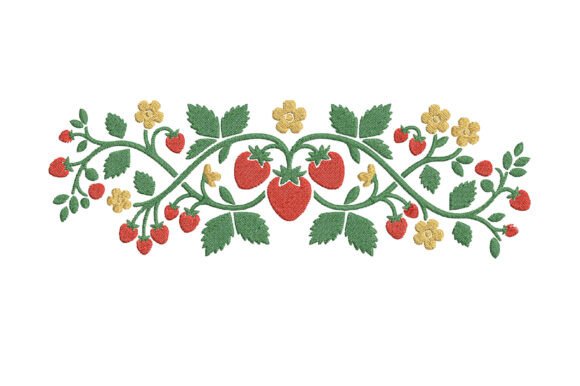
As I set up my booth for the upcoming weekend craft fair, the table is a chaotic mix of potential bestsellers and items that might just gather dust. In this competitive handmade market, every inch of fabric needs to work hard to catch a customer's eye. Today, I am reviewing the Strawberry Vine Embroidery Design, a digital file promising to add a fresh and charming touch to my inventory. With its description featuring delicate strawberry plants, ripe red berries, soft blossoms, and a flowing green vine, this design falls squarely into the Food category of embroidery themes. But does it translate from a screen to a sellable craft fair product? Let's dive into the practical realities of turning this machine embroidery design into revenue.
First Impressions: Farmhouse Charm Meets Modern Appeal
At first glance, the Strawberry Vine Embroidery Design exudes a specific aesthetic that is currently dominating the handmade sector. It feels less like a bold statement and more like a whisper of nostalgia. The combination of red berries and green vines creates an instant visual pop, yet the "delicate" nature of the plant suggests a softer, more approachable vibe. This design leans heavily into the farmhouse and rustic trends without feeling outdated. For an Etsy seller or a boutique maker, this is a sweet spot. It appeals to customers looking for kitchen decor, garden-themed gifts, or simply something that feels organic and warm.
The visual hierarchy is clear: the red berries act as the focal point, drawing the eye immediately, while the flowing vine provides movement. This balance is crucial for a handmade product. If the design were too busy, it would lose clarity on textured fabrics; if it were too minimal, it might get lost in a crowded booth display. This design strikes a balance that feels both decorative and premium, suggesting high quality without requiring excessive production time.
Product Performance: Where Does It Shine?
When preparing my table display, I need to know exactly which items will make this design sing. Here is how the Strawberry Vine Embroidery Design performs across various product types:
- Tote Bags and Market Bags: A large-scale application on a natural canvas tote bag is a winner. The contrast of red thread against beige cotton is striking. As a tote bag design, it stands out even when the bag is folded or hanging. It signals utility and style, making it a prime candidate for impulse buys at a craft fair.
- Kitchen Textiles: This is the natural home for this design. Apron embroidery featuring the vine running down the side looks professional and custom-made. Similarly, tea towel embroidery benefits from the organic flow of the vine. Customers love kitchen linens that look hand-painted but are durable enough for daily use.
- Embroidered Patches: Creating small patches from this design allows for versatility. These can be sold individually or attached to denim jackets, backpacks, or hats. The "ripe red berries" provide enough detail to look good even at a smaller scale, provided the stitch density is managed correctly.
- Pillow Covers and Caps: On pillow covers, the design acts as a delightful accent. However, on caps, one must be careful with the curved surface. The flowing vine might distort slightly depending on the cap's shape, so testing is essential before committing to a full batch.
Production Realities: Stitch Density and Fabric Texture
While the digital embroidery file looks perfect on a computer, real-world production introduces variables. One of the most critical factors is stitch density. The description mentions "delicate" plants and "soft blossoms." In machine embroidery, delicate often translates to fine satin stitches or fill stitches that can easily pucker if not stabilized correctly. If the design has dense areas around the red berries, using a thick stabilizer is non-negotiable, especially on fabric texture heavy items like towels or canvas.
I always advise fellow designers to test the design on scrap fabric first. Check the thread colors against your chosen material. Red thread on dark fabric can sometimes appear muddy or disappear entirely unless a high-contrast underlay is used. Conversely, on white linen, the red pops beautifully. The hoop size is another variable to confirm. If the vine flows longer than your hoop allows, you may need to reposition the design or split the stitching, which can lead to registration issues. Always inspect the finished product for any skipped stitches or loose threads that could ruin the perceived value.
Visual Clarity and Scale
Does the design hold up at different sizes? The Strawberry Vine Embroidery Design works well as a medium-sized focal point. However, shrinking it too much for a small pouch or a tiny patch risks losing the definition of the "soft blossoms." Tiny details can become blobs of thread if scaled down aggressively. For a small shop product line, it is better to keep the design at least 4 inches wide to ensure the botanical details remain crisp and recognizable.
Furthermore, consider the background. This design is versatile but thrives on neutral backgrounds. Placing it on a busy floral print fabric would create visual noise, reducing the impact of the berries. Stick to solids like cream, sage green, navy, or charcoal to let the embroidery do the talking.
Selling Strategy: From Booth to Online Listing
In a physical craft fair setting, lighting plays a huge role. The red berries of the Strawberry Vine Embroidery Design reflect light differently than flat prints, giving the item a tactile depth that customers want to touch. This tactile element drives engagement. When a customer runs their fingers over the raised stitches of the vine, they connect with the craftsmanship, justifying a higher price point for a commercial embroidery item.
For online sales, such as on Etsy, photography is key. The design photographs exceptionally well due to its color contrast. Use printable mockup tools to visualize the design on various products before producing them. This saves money on wasted materials. Ensure your photos show close-ups of the stitch work to prove quality. Buyers want to see that the "flowing green vine" doesn't have gaps and that the berries are perfectly formed.
Designer Checklist Before You Produce
Before you commit to a bulk run of these items, run through this checklist to ensure success:
- Verify Licensing: Confirm that your embroidery file license allows for selling finished goods. Some designs are for personal use only, which would halt your business plans.
- Test on Scrap: Run a test on the exact fabric you plan to use. Check for puckering, especially on towels and knits.
- Check Stabilizer Needs: Determine if you need cut-away or tear-away stabilizer based on the fabric weight and stitch count.
- Review Spacing: Ensure there is enough room between the vine elements if you plan to repeat the pattern on a long runner or multiple patches.
- Create a Mockup: Make one real sample to photograph for your listings. This builds trust with potential buyers.
- Compare Colors: Test different thread shades to see which makes the berries look ripest and most appetizing.
Final Verdict: A Must-Have for Seasonal Sales
The Strawberry Vine Embroidery Design is a strong asset for any creative entrepreneur focusing on home goods and lifestyle accessories. Its ability to bridge the gap between cute and elegant makes it a versatile choice for spring and summer collections. Whether you are selling apron embroidery to chefs, embroidered patch sets for DIYers, or premium tea towel embroidery for gift shoppers, this design delivers visual appeal and perceived value.
By paying attention to design assets like stitch density and fabric pairing, you can turn this simple motif into a flagship product for your brand. It captures the essence of the season—fresh, vibrant, and full of life. For those of us spending our weekends behind craft tables, having a reliable, high-performing design like this is the difference between a slow day and a sold-out booth. Embrace the vine, embrace the berry, and watch your handmade sales grow.