Summer Watermelon Embroidery File Review
As a designer who has spent years navigating the delicate balance between digital files and physical thread, I approach every new machine embroidery design with a critical eye. The goal is never just to see if it stitches out, but to determine if it elevates the final product. When I first opened the Summer Watermelon Embroidery File, I was immediately struck by its vibrant potential. It captures that specific, fleeting feeling of mid-July—sunny days, cool drinks, and the crisp snap of biting into a ripe watermelon. However, a pretty preview on a screen does not guarantee a successful finished product. Let's dive into how this embroidery file actually performs when moved from the computer to the hoop.
First Impressions: Visual Weight and Mood
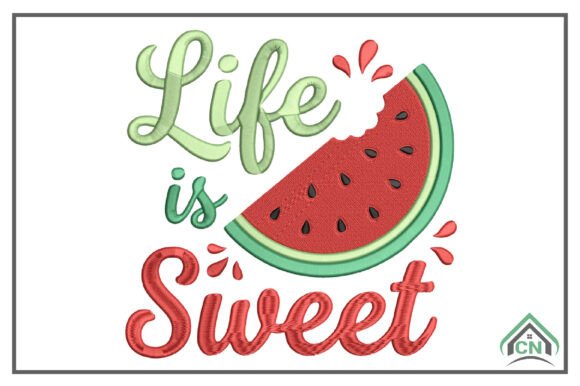
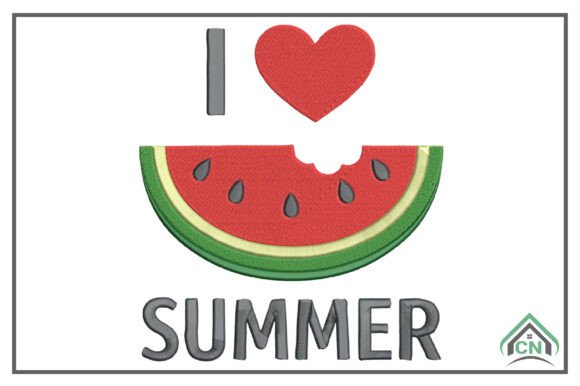
The initial view of the Summer Watermelon Embroidery File suggests a playful yet polished aesthetic. The shape is distinct, avoiding the overly complex curves that often lead to stitching errors in high-speed machines. For a craft business owner looking to expand their summer catalog, this design offers a strong visual anchor. It feels substantial enough to stand alone on a garment but detailed enough to add character without overwhelming the fabric.
When considering the thread colors, the design naturally calls for a contrast-heavy palette. Deep greens for the rind, bright reds for the flesh, and perhaps a touch of black or dark brown for the seeds create a pop that is hard to ignore. This level of color differentiation is crucial for maintaining stitch density clarity. If the colors are too similar, the definition of the fruit slices can get lost, turning a crisp image into a muddy blob. In my experience, designs like this thrive on high-contrast combinations, making them excellent candidates for both light and dark backgrounds, provided the right backing is used.
Real-World Application: From Tote Bags to Caps
To truly evaluate the Summer Watermelon Embroidery File, I imagined placing it on a canvas tote bag destined for a local farmer's market. Tote bags are a staple for the Etsy seller, offering a sturdy surface that handles embroidery well. On this textured cotton, the fill stitch within the watermelon flesh would likely sit beautifully, adding a tactile dimension that customers love to feel. The rounded edges of the design would prevent snagging, a common issue with sharp-cornered motifs on woven fabrics.
Next, I considered using it for custom apparel, specifically a heavyweight sweatshirt. Here, the design shifts from a decorative accent to a statement piece. The sweatshirt embroidery process requires careful attention to stabilizer choice; a heavy-duty cutaway would be necessary to support the weight of the thread and prevent puckering. The Summer Watermelon Embroidery File seems robust enough to handle the stretch of knit fabrics, especially if placed on the chest or sleeve where tension is manageable. For a small shop product line, this could serve as a signature logo or a seasonal highlight, instantly communicating the brand's cheerful identity.
However, the test gets trickier with curved surfaces like baseball caps. While the description mentions hats, applying any digital embroidery file to a cap requires a specialized frame. The curvature can distort the geometry of the watermelon slices if the design is not perfectly balanced. I would recommend testing this on a scrap piece of twill first to ensure the running stitch outlines remain smooth and do not bridge across the curve. If successful, a cap featuring this design becomes a highly desirable personalized gift for summer events or team merchandise.
Nursery Decor and Baby Items
One of the most heartwarming applications for this file is in baby embroidery. Imagine a soft muslin burp cloth or a lightweight pillow cover adorned with a small version of this watermelon motif. The organic shape fits perfectly with nursery themes. However, safety and comfort are paramount here. The stitch density must be checked to ensure no sharp points of thread protrude against a baby's skin. A softer, lower-density fill might be preferable for items that will have direct contact with sensitive skin, while a standard density works well for decorative pillows or wall hangings.
Critical Considerations for Designers
Despite its appeal, the Summer Watermelon Embroidery File is not without its challenges. As a professional reviewer, I must point out areas where caution is required. First, consider the hoop size. If you are working with a smaller 4x4 hoop, verify that the design scales down without losing the integrity of the seed details. Tiny lettering or intricate seed patterns can become indistinguishable blobs if reduced too far. Always inspect the design at 100% zoom before committing to a project.
Fabric texture also plays a massive role. On very thin fabrics like silk or fine rayon, the fill stitch might show through to the back, creating an unprofessional look. In these cases, a tear-away stabilizer might not suffice; a wash-away or soluble stabilizer is often needed to maintain the drape of the material. Similarly, on dark fabrics, the white or light green outlines of the watermelon rind need to be thick enough to prevent the background color from bleeding through, which can dull the vibrancy of the handmade product.
For those planning to sell finished items, understanding the commercial embroidery licensing is non-negotiable. Before listing your products on Etsy or at a craft fair, confirm that the license for the Summer Watermelon Embroidery File permits the sale of physical goods. Some licenses restrict usage to personal projects only, while others allow for limited commercial runs. Ignoring this can lead to legal issues and damage your reputation as a creative entrepreneur.
Maximizing Value and Presentation
The true value of this embroidery project lies in how well it integrates into your brand. A consistent use of seasonal motifs like this one helps build brand consistency. Customers begin to associate your shop with quality, timely, and aesthetically pleasing designs. To showcase this effectively, invest in high-quality printable mockups. Show the design on various items—a kitchen towel hanging in a sunny window, a hat worn by a model, or a patch sewn onto a denim jacket. These visuals help buyers visualize the finished product in their own lives, increasing engagement and conversion rates.
Finally, always test your design. Stitch a sample on the exact fabric you intend to use. Check the thread colors under different lighting conditions. Ensure the applique design elements (if any) lay flat. This step, while time-consuming, is the difference between a professional result and a disappointing return. The Summer Watermelon Embroidery File has all the ingredients for a hit summer collection, but it is up to the designer to execute it with precision and care.
In conclusion, this file brings a fresh, fruity energy to any project. Whether you are making a holiday embroidery gift, stocking your boutique, or simply enjoying a hobby, the key is preparation. By respecting the nuances of fabric, stabilizer, and scale, you can transform this digital asset into a tangible masterpiece that delights customers and stands the test of time.